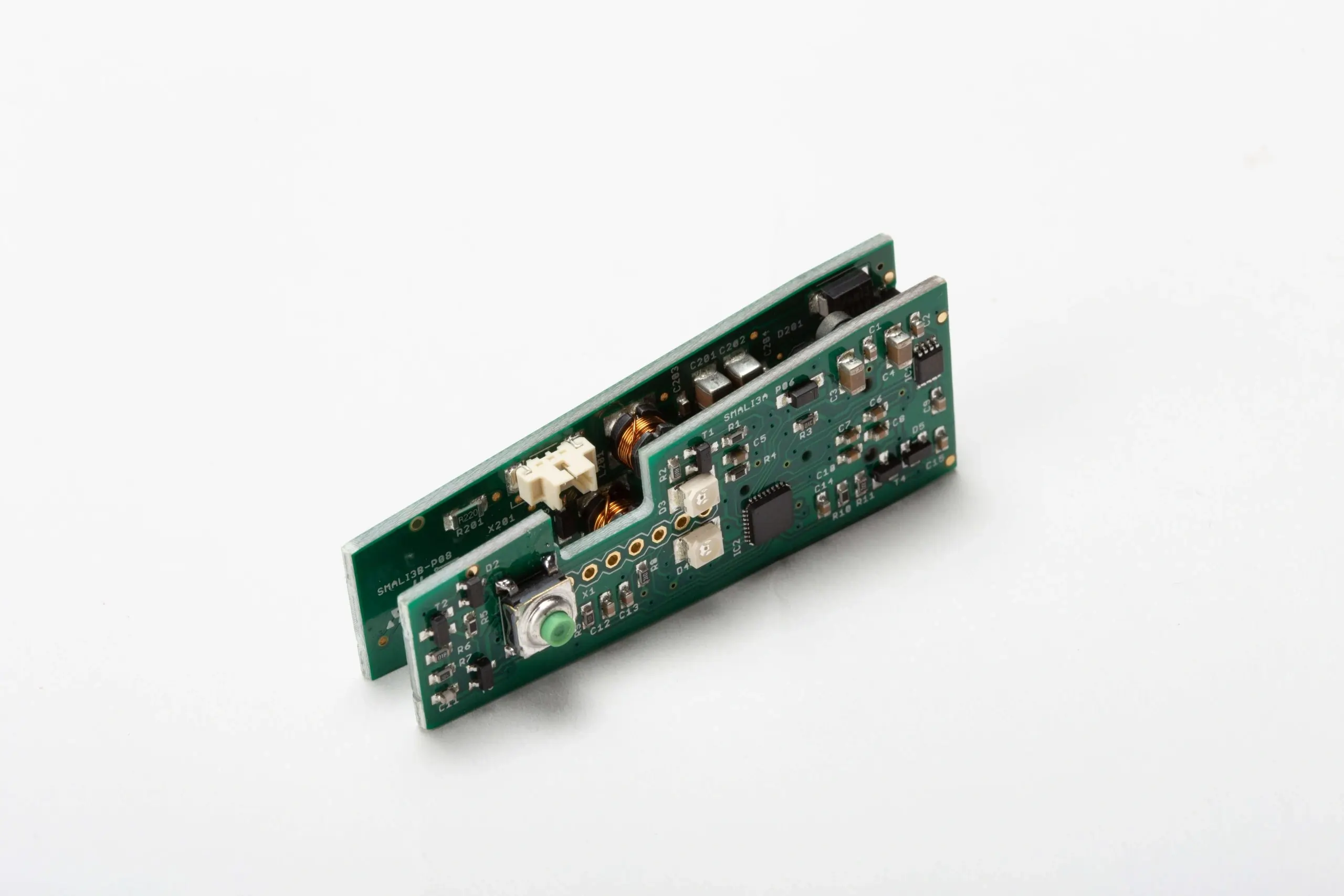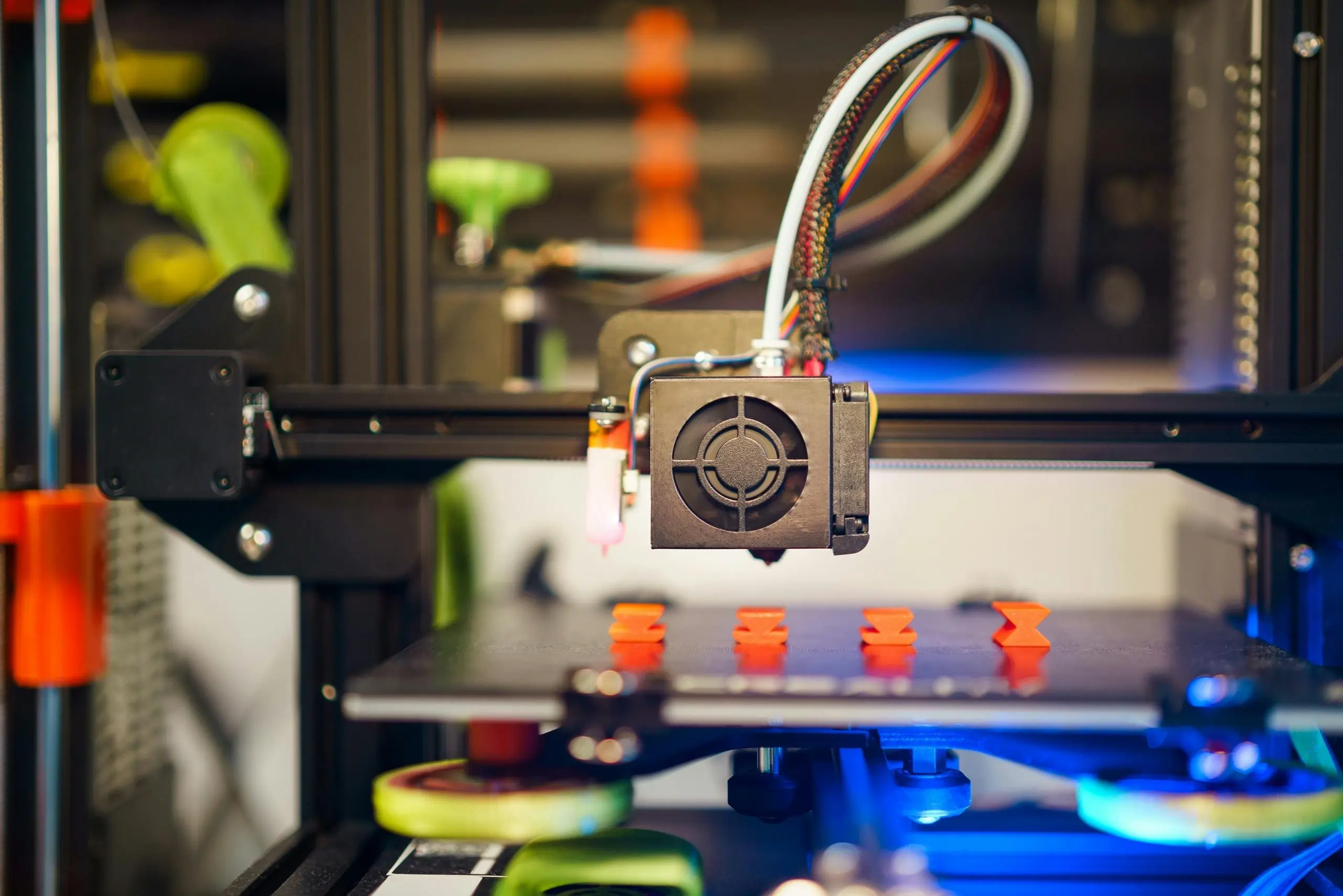
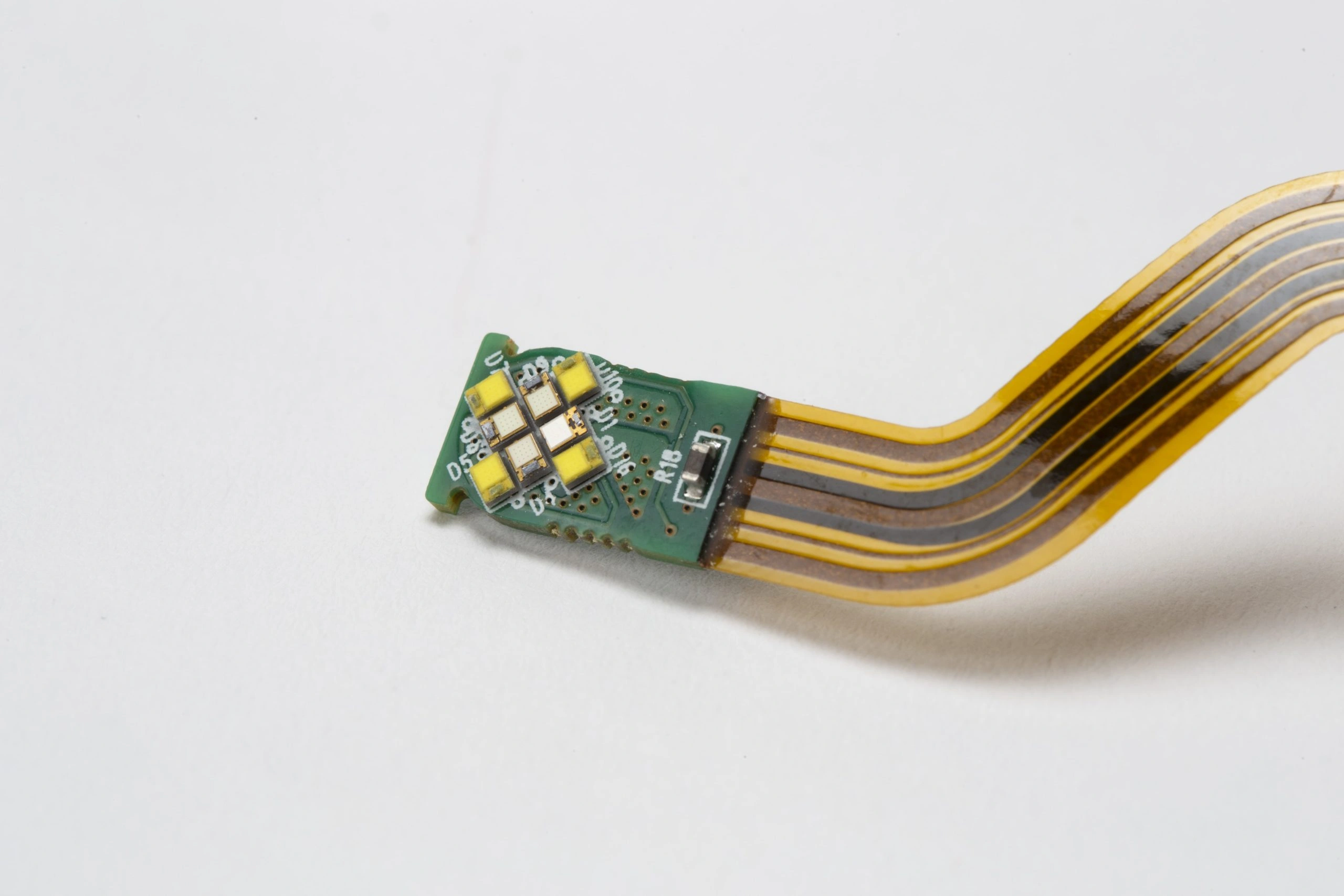

A working prototype is not a producible product. The transition from building ten devices in a lab to manufacturing ten thousand on a production line involves changes in materials, processes, quality systems, and supply chain that many development teams underestimate.
Here is what actually changes when you scale – and what to plan for before you get there.
Materials and Processes Change
Prototype parts are typically 3D printed or CNC machined. Production parts are injection molded, die-cast, or stamped. This is not just a change in manufacturing method – it is a change in material behavior:
- Injection-molded parts have different dimensional tolerances, surface finishes, and mechanical properties than machined parts
- Shrinkage rates vary by material and part geometry, affecting dimensions
- Weld lines, sink marks, and flow marks are injection-molding artifacts that do not exist in prototypes
- Press fits and snap features that worked in machined parts may need adjustment for molded tolerances
If your design was not developed with manufacturing processes in mind, this transition is where you discover problems – after you have already invested in tooling.
Tooling Is a Major Investment
Production injection molds for medical devices typically cost $15,000-$80,000 per tool, depending on complexity, number of cavities, and material requirements. A device with five molded parts might require $100,000+ in tooling.
Tooling decisions that affect cost and quality:
- Single-cavity vs. multi-cavity molds (affects unit cost vs. tooling cost)
- Steel grade (affects mold life and part quality)
- Surface finish requirements (texture, polish, medical-grade)
- Hot runner vs. cold runner systems (affects cycle time and waste)
Tooling changes after initial production are expensive and time-consuming. Getting the design right before cutting steel is significantly cheaper than modifying a mold.
Assembly Does Not Scale Linearly
Assembling ten prototypes is a craft activity. Assembling ten thousand production units is a process activity. The differences:
- Assembly must be documented with work instructions and visual aids
- Each step must be repeatable by different operators with consistent results
- Test and inspection points must be defined at each stage
- Torque values, adhesive quantities, and assembly sequences must be specified
- Rework procedures must be documented for common defects
Assembly that requires engineering judgment at each unit does not scale. Production assembly must be designed to be foolproof – or as close to it as possible.
Quality Systems Must Be Formalized
At prototype scale, quality is managed by the engineer who built it. At production scale, quality must be systematic:
- Incoming inspection of components and materials
- In-process inspection at defined stages
- Final device testing against acceptance criteria
- Traceability from components through finished device
- Documented procedures for handling non-conforming product
- Corrective and preventive action (CAPA) processes
These are not bureaucratic overhead – they are what prevents a production line from shipping defective devices. For medical devices, they are also regulatory requirements.
Supply Chain Becomes Critical
At prototype scale, you order components as needed. At production scale, you need:
- Qualified suppliers for critical components
- Second-source options for risk mitigation
- Lead time management and safety stock planning
- Incoming quality agreements with key suppliers
- Component lifecycle monitoring (end-of-life notifications)
A production line that stops because a single component is unavailable costs far more than the component itself.
Why Integrated Partners Handle Scaling Better
The prototype-to-production transition is smoothest when the team that designed the device is the same team that manufactures it. They understand every design decision, every tolerance rationale, and every assembly sequence. There is no knowledge transfer to fail.
When design and manufacturing are separate organizations, scaling is where misunderstandings surface. The manufacturing team discovers design features they cannot produce efficiently. The design team discovers their prototype assumptions do not hold at scale. These discoveries happen after tooling investment, making them expensive to resolve.
One team, one facility, concept to production. That is how you scale without surprises.
Ready to move from prototype to production? Contact Kii.am to discuss your manufacturing requirements.