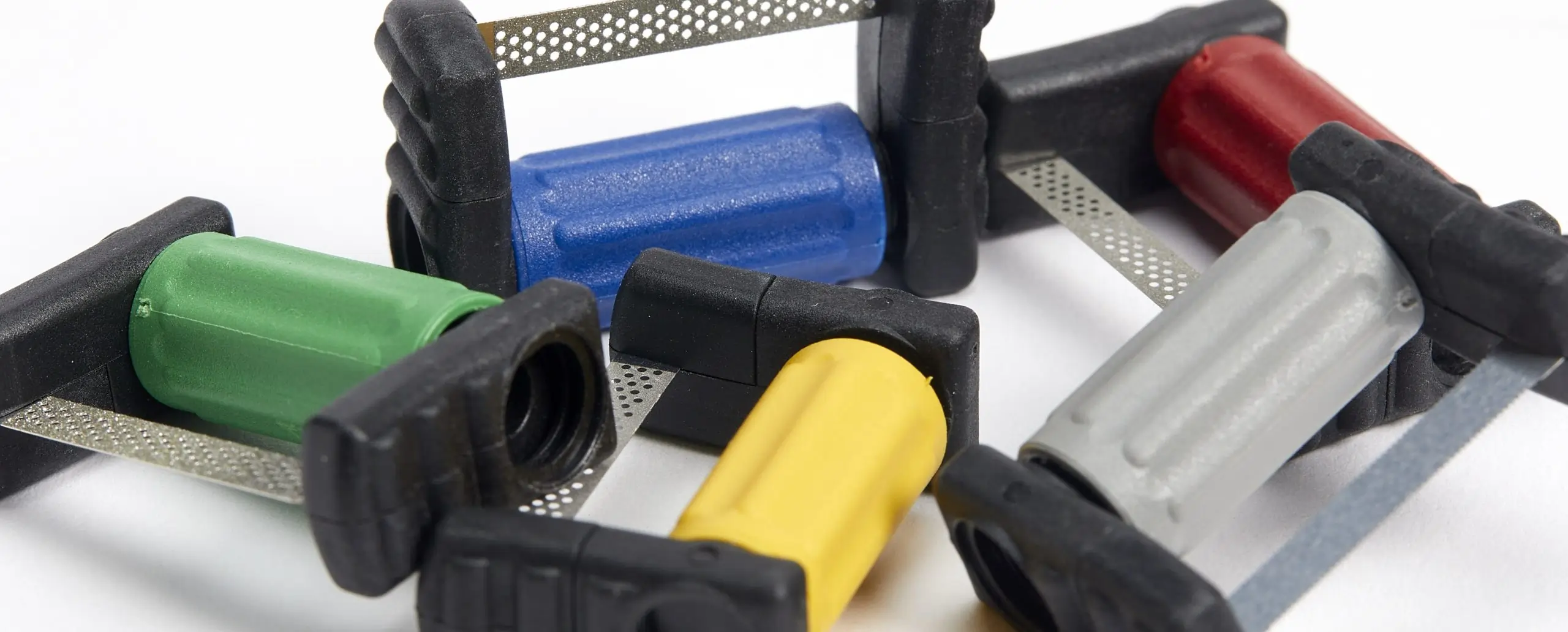
Kii.am doesn’t try to do everything. We focus on a defined set of engineering disciplines — the ones that matter most when developing complex handheld and desktop medical devices.
Our team has deep knowledge in dentistry, dermatology, and veterinary medicine. We bring engineering judgment shaped by years of building real products in these fields. That means fewer wrong turns, faster development cycles, and devices that work the way clinicians expect them to.
Where we stand out
Handheld & Desktop Devices
Handheld & Desktop Devices
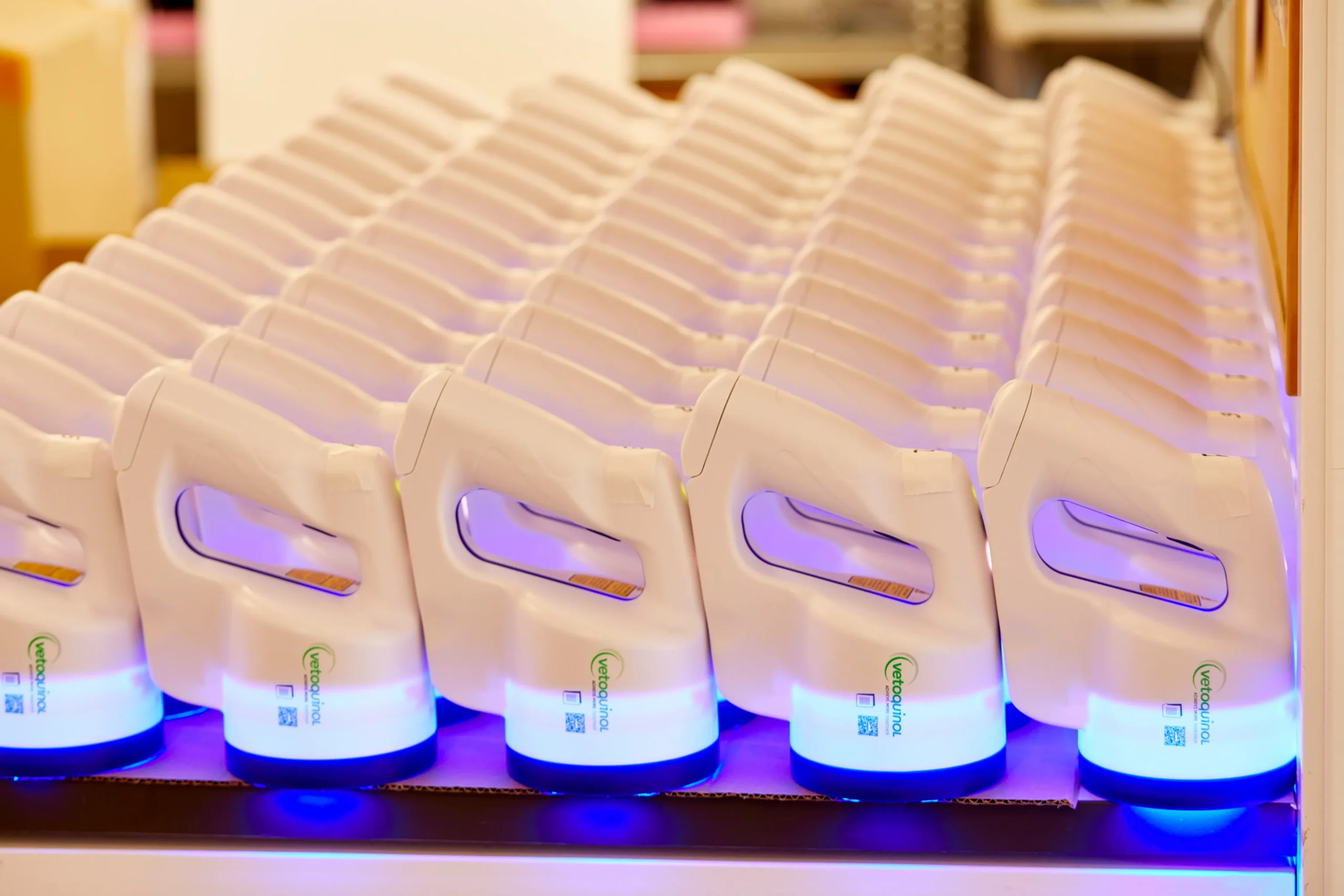
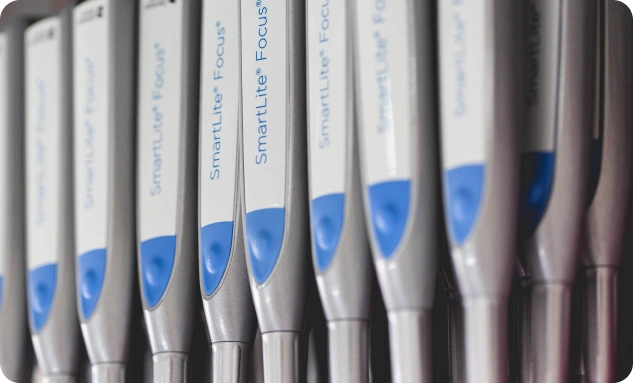
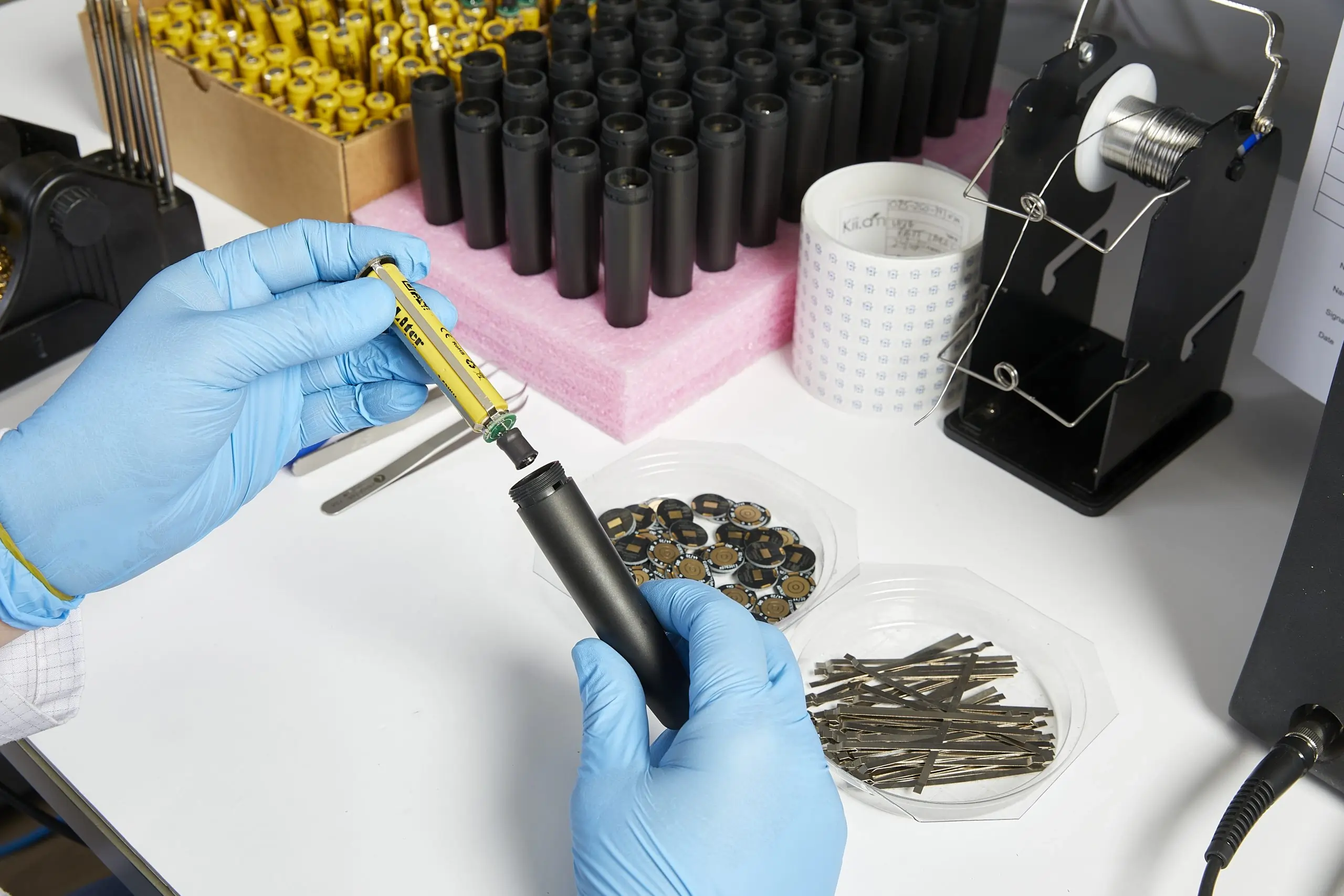
Our engineers have spent years developing advanced handheld and desktop medical devices. These products require a specific kind of expertise: understanding complex technical requirements while delivering ergonomic design and intuitive handling.
The final products have earned recognition from medical specialists for the elegance of their technical solutions. We’ve expanded our scope to develop desktop systems as well — devices that integrate multiple subsystems (optics, electronics, motors, fluid management) into reliable, production-ready platforms.
Whether your device fits in a clinician’s hand or sits on a treatment cart, we understand the engineering tradeoffs involved in making it work well. Browse our project showcase to see examples.
LED Lighting & Optics
LED Lighting & Optics
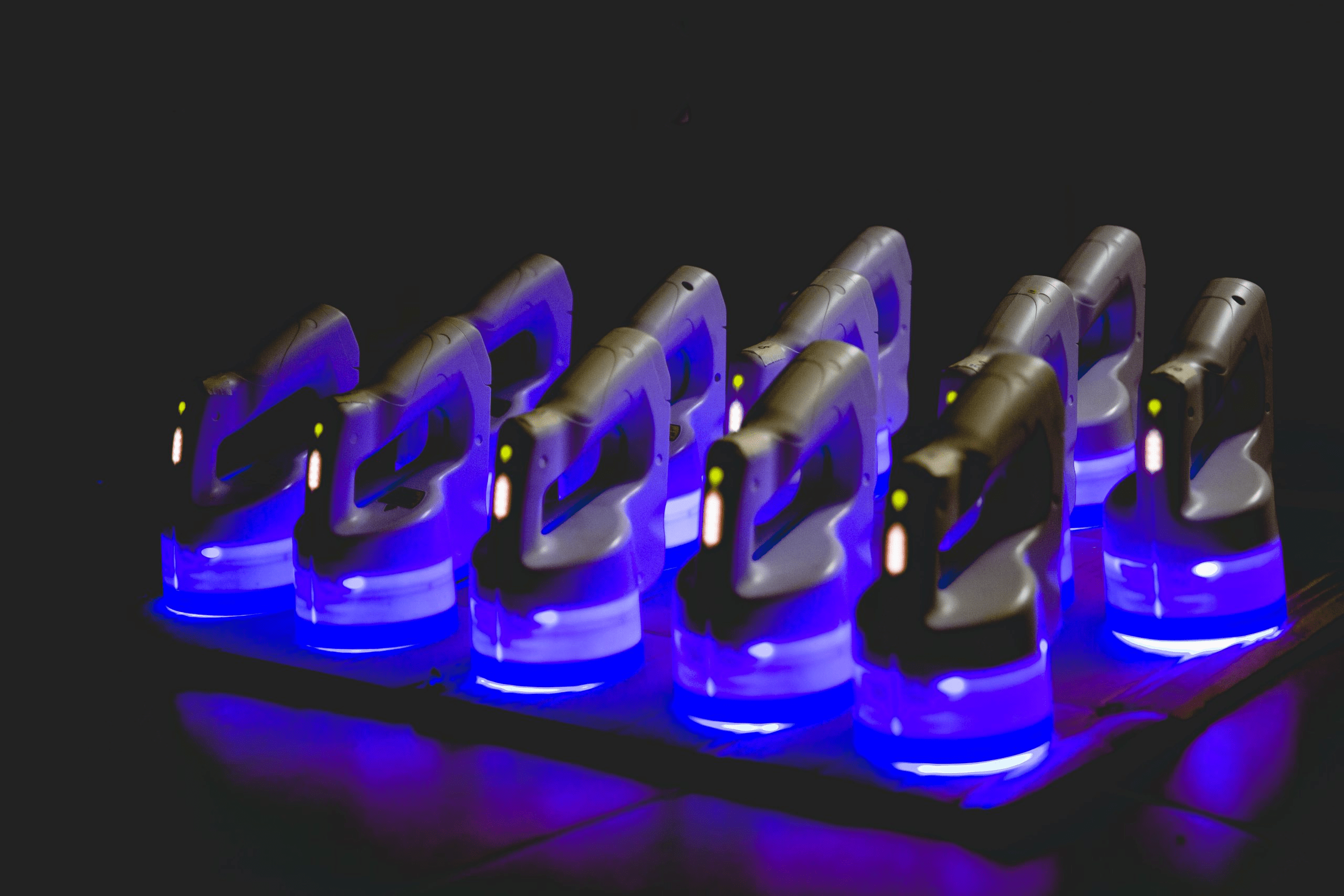
We are one of the leading firms in applying LED technology to medical and dental devices. Our expertise goes beyond component selection — we understand beam collimation, wavelength behavior, reflector geometry, and how to translate datasheet specifications into real-world optical performance.
In dental curing, for example, visible brightness and useful curing energy are not the same thing. Performance depends on wavelength selection, beam control, and how light reaches the target material. We design optical systems based on application requirements, not marketing specs.
Motors & Pumps
Motors & Pumps
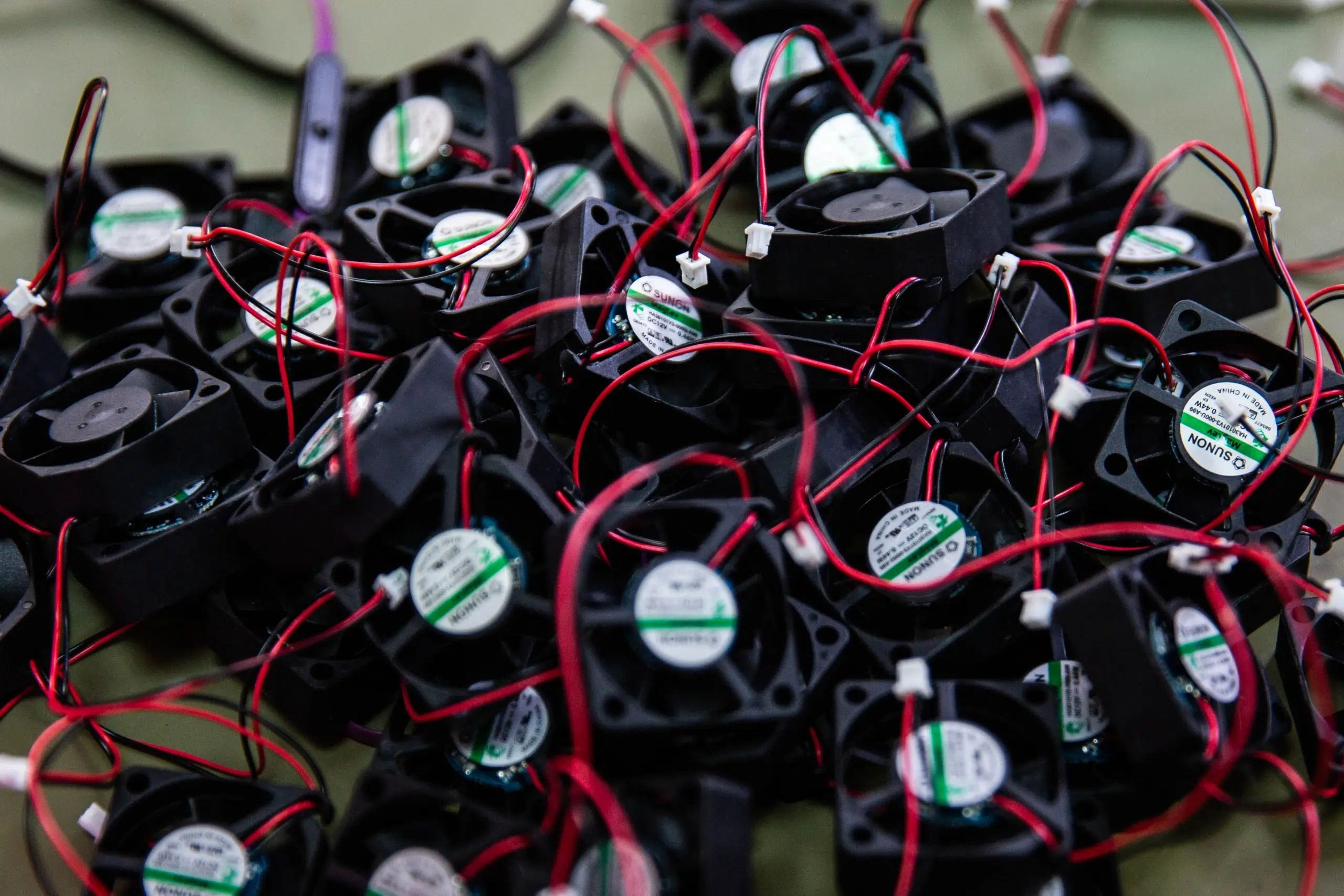
Many professional medical devices require motors and pumps — for fluid delivery, mechanical actuation, or precision movement. Our expertise ensures that these mechanisms are fit for purpose, even when miniaturized into compact handheld housings.
We work with DC motors, water controls, and pump systems, integrating them with the electronic and mechanical subsystems so the entire device operates reliably across its full product lifetime.
Battery Management
Battery Management
Cordless medical devices depend on battery performance. Our deep understanding of battery management means we select the right cell chemistry, integrate charge and discharge circuits correctly, and optimize the power system for maximum operating life.
We design battery management systems that account for real-world usage patterns — not just laboratory conditions. That includes thermal behavior, cycle life degradation, and the safety requirements specific to medical device applications.
PCB Design
PCB Design
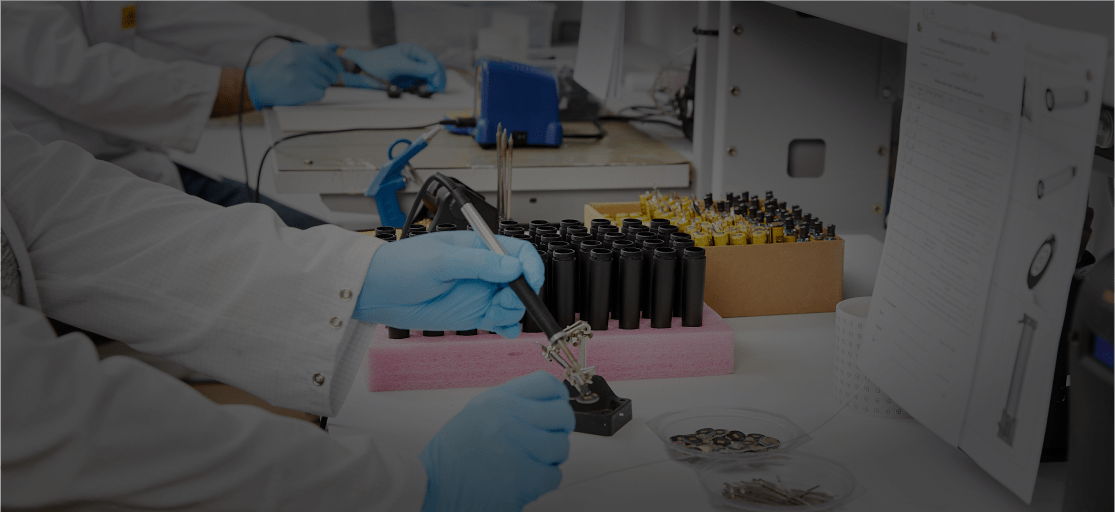
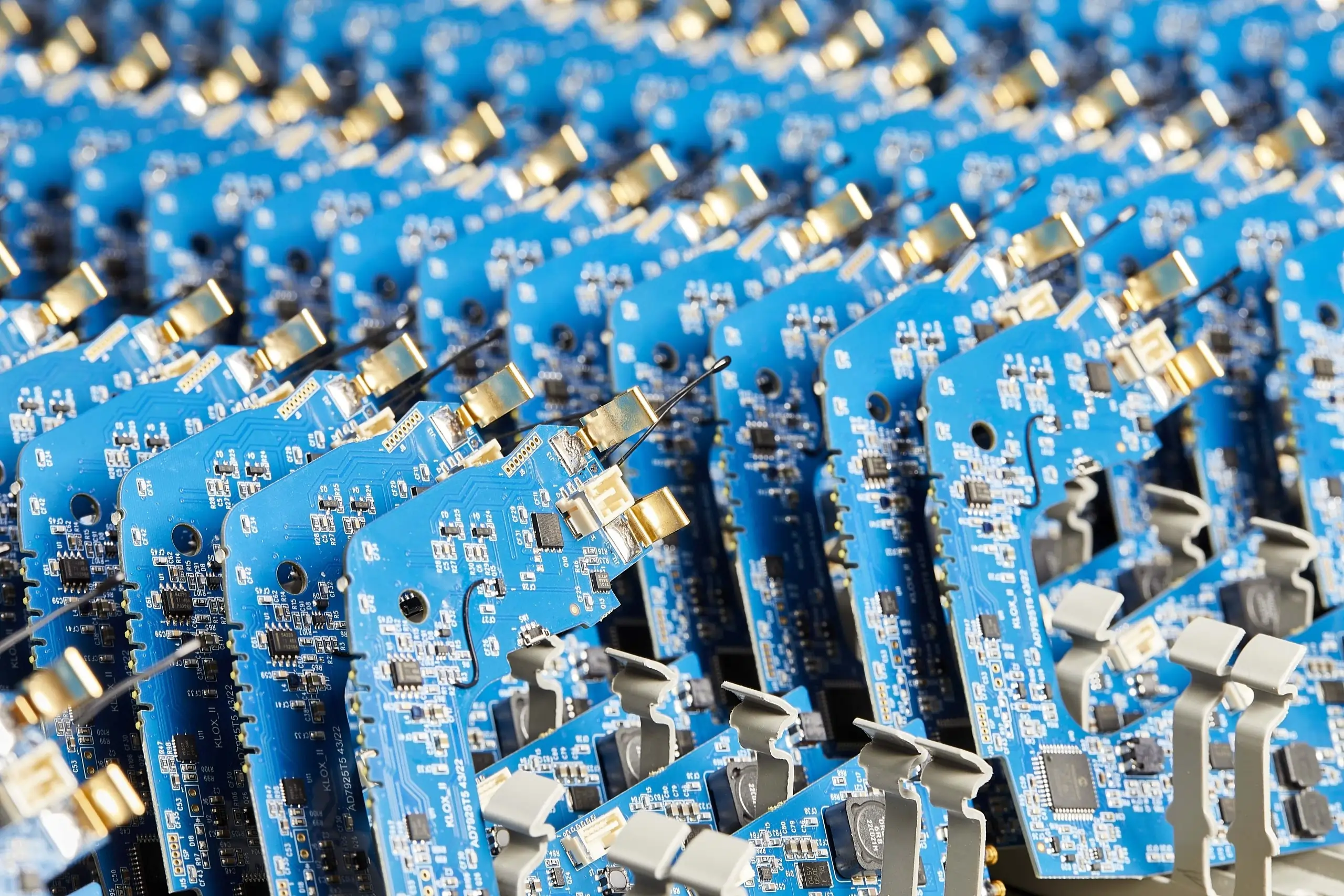
With 30+ years of combined experience, our electronics team builds PCB designs from scratch. We handle schematic design, component selection, board layout, and prototype validation — then carry the same design forward into production.
Because our PCB designers work alongside our mechanical and firmware engineers, board designs account for thermal management, EMC requirements, and physical constraints from the start — not as afterthoughts that force late-stage redesigns.
Software & Firmware
Software & Firmware
We implement embedded software and firmware for medical devices, working from your requirements specification through to validated, production-ready code. Our firmware engineers understand the constraints of medical device software: reliability, deterministic behavior, and clear documentation for regulatory submissions.
Touchscreen interfaces, Bluetooth connectivity, sensor data processing, motor control algorithms — we handle the full scope of embedded systems programming for handheld and desktop devices.
Rapid Prototyping
Rapid Prototyping
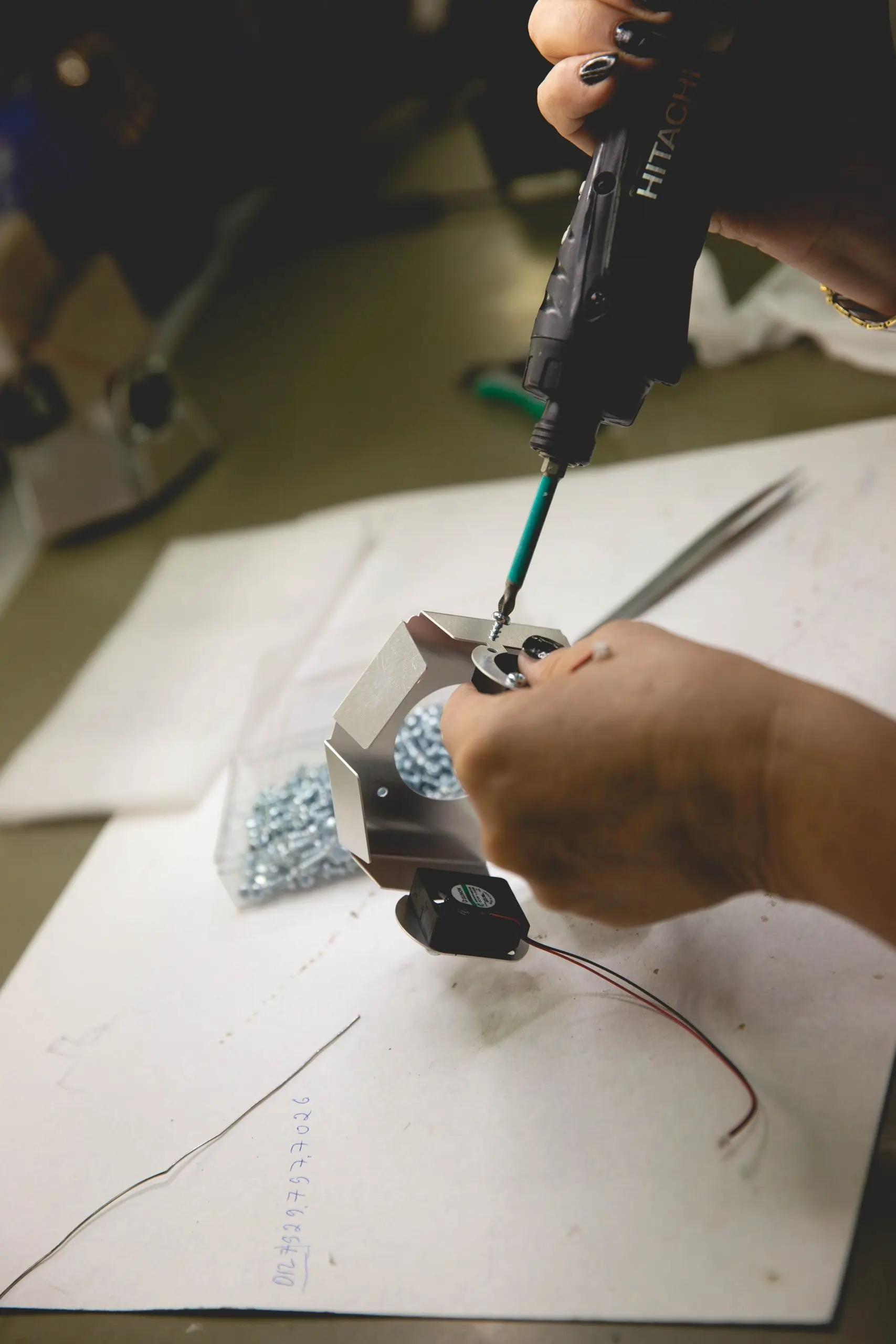
We are set up to move fast from concept to physical prototype. Our prototyping capabilities include 3D printing, CNC machining, production of custom jigs and fixtures, PCB prototyping, and rapid injection molding.
This means you can evaluate form, fit, and function early in the development process — before committing to production tooling. We typically deliver functional prototypes within weeks, not months, because prototyping happens in-house alongside engineering.
Industrial Design
Industrial Design
Kii.am places great importance on industrial design. Working as your engineering department next door, we iterate until the design meets high expectations for usability, ergonomics, and visual quality.
Good industrial design for medical devices is not just about appearance. It affects grip comfort during long procedures, sterilization compatibility, manufacturing feasibility, and regulatory compliance. We design with all of these constraints in mind from the beginning. Talk to us about your project.
Frequently Asked Questions
What engineering specializations does Kii.am offer?
Our core specializations include LED and optical engineering, custom electronics and PCB design, battery management, motors and pumps, firmware development, rapid prototyping, industrial design, and serial manufacturing. Each capability is developed through years of medical device projects.
How experienced is Kii.am in LED engineering?
We are one of the leading firms in applying LED technology to medical devices. Our expertise covers wavelength selection, reflector geometry design, beam collimation, power density optimization, and thermal management for LED systems.
Does Kii.am design custom PCBs?
Yes. Our electronics team designs custom PCBs from schematic through board layout, with 30+ years of combined experience. We handle analog and digital circuits, power management, LED drivers, sensor integration, and communication interfaces including bluetooth and USB.
What prototyping methods does Kii.am use?
We maintain in-house capabilities including 3D printing (FDM and SLA), CNC machining, PCB prototyping, production of jigs and fixtures, and rapid injection molding. This allows rapid iteration during development before committing to production tooling.
Can Kii.am handle software and firmware development?
Yes. We develop embedded firmware for microcontroller-based devices, including treatment timing, touchscreen interfaces, bluetooth connectivity, motor control, and sensor data processing. Software requirements are defined at project initiation and developed alongside hardware.
What does integrated development mean at Kii.am?
It means the same team handles every engineering discipline and manufacturing step. Your device is not passed between separate design, electronics, and production teams. This eliminates handoffs, reduces miscommunication, and ensures that what was designed is exactly what gets manufactured.
×
Get Your Free SOW Guide
Please enter your email address, and we’ll send you both the SOW Guide and the interactive requirements table to help you plan your medical device development.
×
Schedule a
meeting
×
Have a question? We’re here to help.
Send us your question and we’ll get back to you shortly.
Manage Consent
To provide the best experiences, we use technologies like cookies to store and/or access device information. Consenting to these technologies will allow us to process data such as browsing behavior or unique IDs on this site. Not consenting or withdrawing consent, may adversely affect certain features and functions.
Functional
Always active
The technical storage or access is strictly necessary for the legitimate purpose of enabling the use of a specific service explicitly requested by the subscriber or user, or for the sole purpose of carrying out the transmission of a communication over an electronic communications network.
Preferences
The technical storage or access is necessary for the legitimate purpose of storing preferences that are not requested by the subscriber or user.
Statistics
The technical storage or access that is used exclusively for statistical purposes.The technical storage or access that is used exclusively for anonymous statistical purposes. Without a subpoena, voluntary compliance on the part of your Internet Service Provider, or additional records from a third party, information stored or retrieved for this purpose alone cannot usually be used to identify you.
Marketing
The technical storage or access is required to create user profiles to send advertising, or to track the user on a website or across several websites for similar marketing purposes.