
The most common question we hear from companies starting a medical device project is: how long will this take? The honest answer is: it depends. But that does not mean timelines are unpredictable – it means they depend on specific, identifiable factors.
Here is what actually drives medical device development timelines, and what realistic expectations look like for different types of projects.
Typical Timeline Ranges
Simple devices (single function, minimal electronics)
Timeline: 8-14 months. Examples include basic handheld instruments, simple LED devices, or mechanical tools. These projects have straightforward requirements, limited regulatory complexity, and fewer prototype iterations.
Moderate complexity (integrated electronics, firmware, battery)
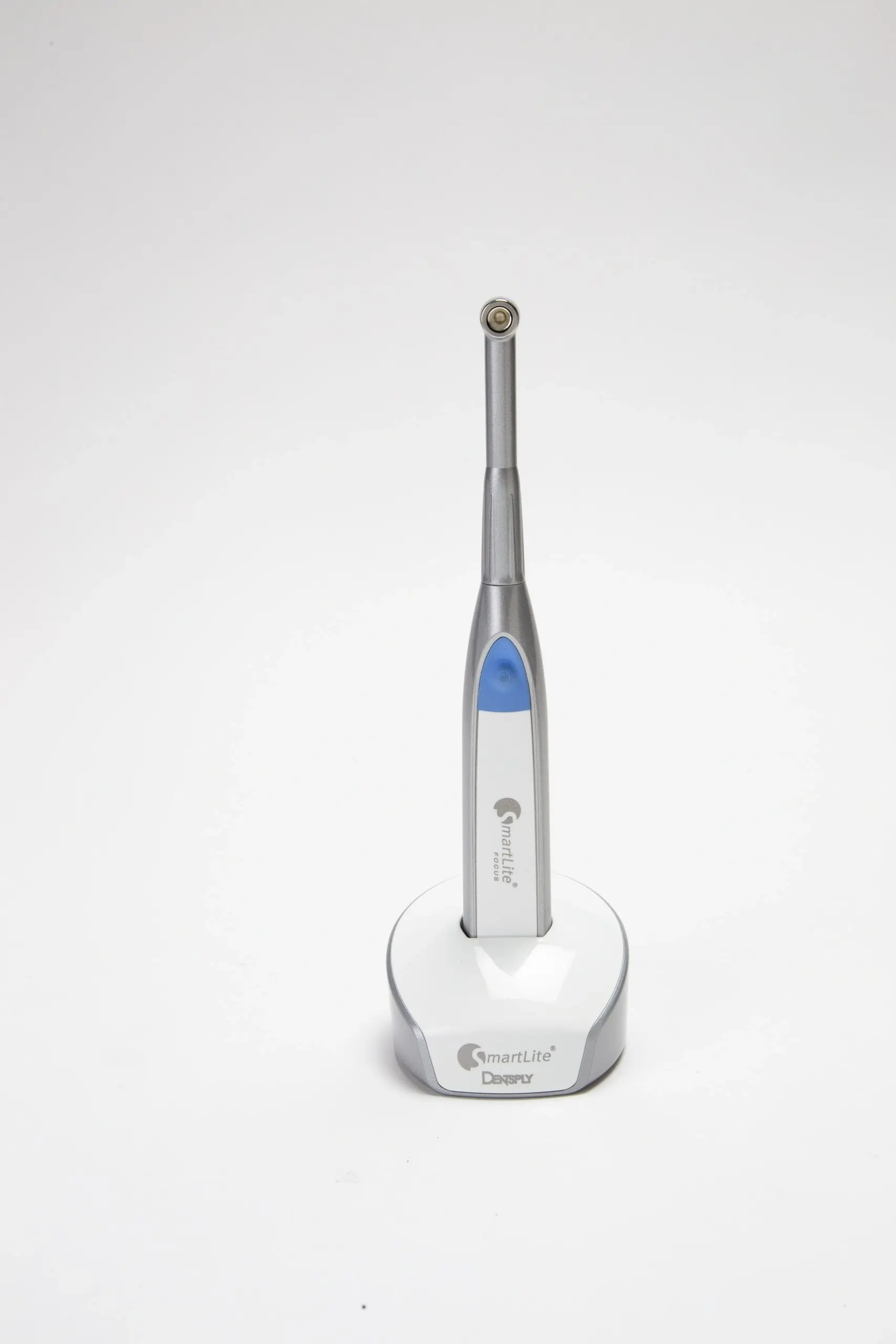
Timeline: 14-20 months. Examples include cordless dental instruments, portable therapy devices, or diagnostic tools with displays. These involve custom PCB design, firmware development, battery management, and more extensive testing.
High complexity (multiple subsystems, advanced optics, connectivity)
Timeline: 18-28 months. Examples include multi-wavelength curing lights, connected therapy devices with bluetooth, or devices with touchscreens, motors, and optical systems. These require extensive engineering across multiple disciplines and thorough regulatory documentation.
What Drives Timeline Length
Requirements clarity
Projects with well-defined requirements move faster. When requirements are vague or change mid-development, the engineering team revisits completed work. One significant requirement change can add two to four months.
Regulatory pathway
FDA 510(k) submissions require a predicate device comparison, performance testing, and compiled documentation. CE marking under EU MDR has its own documentation and clinical evidence requirements. The regulatory pathway affects what testing is needed, which affects how long the verification and validation stage takes.
Number of prototype iterations
Most projects need two to four prototype rounds. Each round typically takes three to six weeks for mechanical prototypes and four to eight weeks for electronic prototypes. Having in-house prototyping reduces each cycle, but the number of iterations depends on design complexity.
Vendor dependencies
Custom injection molds take eight to twelve weeks. Specialized components may have long lead times. Projects that depend on external vendors for critical path items are exposed to delays outside the engineering team’s control.
How Integrated Development Affects Timelines
The handoff tax
When device development is split across multiple vendors – one for design, another for electronics, a third for manufacturing – each handoff adds time. Design documentation needs to be reformatted. Questions need to go through project managers. Misunderstandings need to be resolved across organizational boundaries.
Integrated development eliminates these handoffs. When the same team handles mechanical design, electronics, firmware, industrial design, prototyping, and manufacturing, there are no translation delays. An engineer who notices a manufacturing concern during design addresses it immediately rather than filing a change request.
Integrated development can reduce avoidable handoff delays and design-for-manufacturing rework compared with multi-vendor approaches. The impact on the overall project timeline depends on device complexity, regulatory requirements, and the number of design iterations.
How to Get a Realistic Estimate
The most reliable way to estimate your project timeline is a scoping call with the engineering team that will actually do the work. Bring your requirements, your regulatory assumptions, your target production volume, and your timeline expectations. A good engineering partner will tell you where your expectations are realistic and where they are optimistic.
What they should not do is tell you what you want to hear.
If you need a defined technical, cost, and prototype-path assessment before committing to a full development program, explore our two-week medical device feasibility study.
Need a realistic timeline for your device? Schedule a scoping call with our engineering team.