
Veterinary medical device development shares many engineering fundamentals with human medical devices, but the differences are significant enough to affect design decisions, testing requirements, and manufacturing choices. If you are developing a device for animal health – whether for companion animals, equine, or livestock – these considerations should inform your engineering process from the start.
Designing for Multiple Species
Human medical devices are designed for a narrow range of patient sizes and anatomies. Veterinary devices must often serve patients ranging from a 2kg cat to a 600kg horse. This affects treatment area sizing, power output ranges, ergonomic design for the operator, and mechanical robustness.
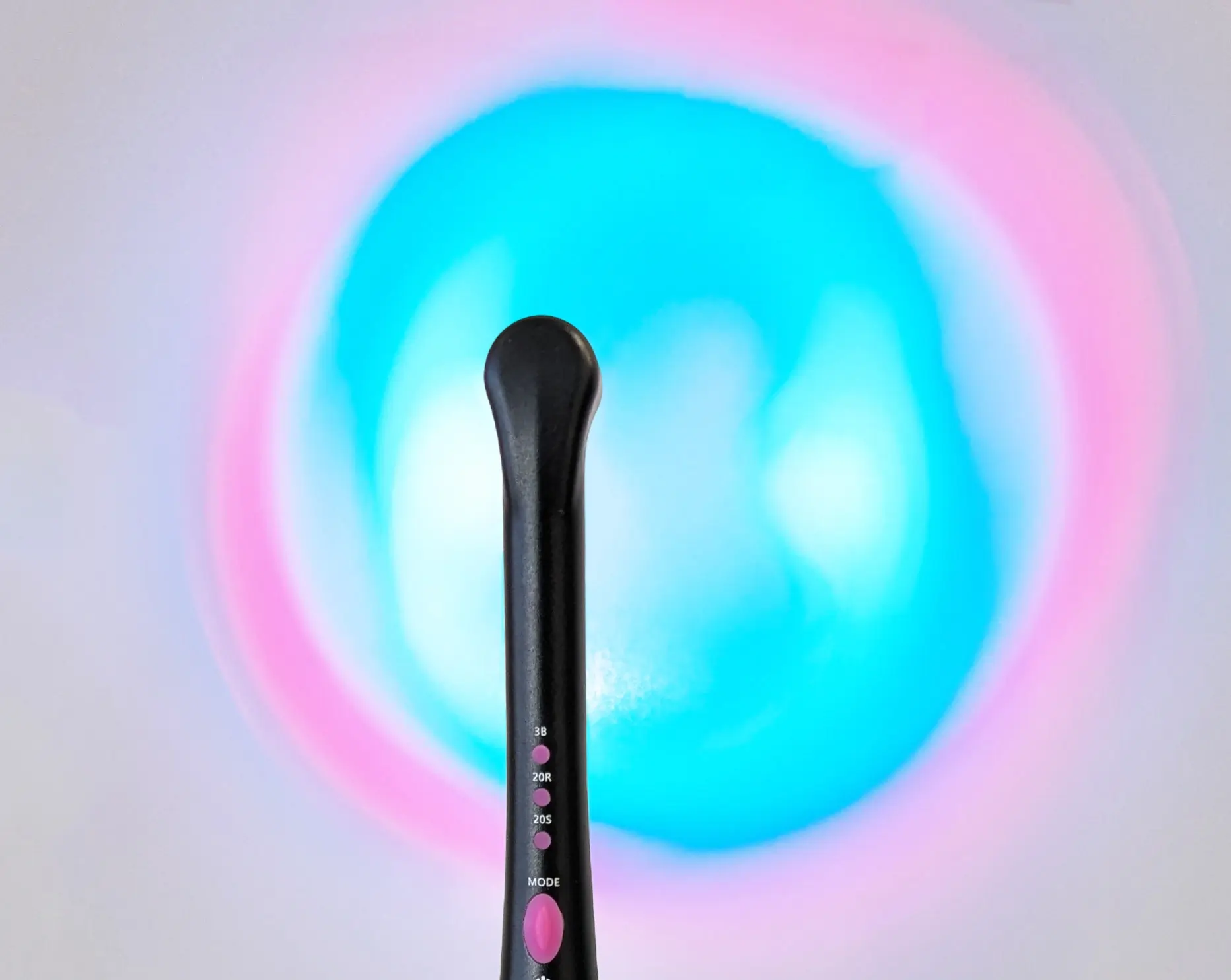
A light therapy device for wound healing, for example, may need different treatment head sizes, adjustable power output, and longer treatment durations for large-animal applications. The optical engineering must deliver appropriate power density across different treatment areas without redesigning the core device.
Field Conditions and Durability
Many veterinary devices are used outside controlled clinical environments. Equine and livestock practitioners work in barns, fields, and mobile clinics. Devices must withstand dust and moisture exposure, temperature variation, physical impact from handling around large animals, and repeated cleaning with aggressive disinfectants.
Housing materials, sealing methods, and connector specifications need to account for these conditions. A device that performs well in a clean veterinary clinic may fail quickly in a large-animal field practice.
Portability Requirements
Veterinary practitioners are often mobile. Devices need to be lightweight, compact, and battery-powered with sufficient runtime for multiple treatments between charges. Battery management design must account for longer usage sessions than typical human clinical devices, charging in vehicle or barn environments, and battery longevity over hundreds of charge cycles.
Our experience with the KT-50 wound healing light – miniaturized from a hospital-grade unit into a portable handheld device – illustrates the engineering challenge of maintaining clinical-grade performance in a battery-powered, portable form factor.
Regulatory Differences
Veterinary device regulation varies significantly by country and device classification. In some markets, veterinary devices face fewer regulatory requirements than human devices. In others, similar standards apply. The regulatory landscape is less standardized than for human devices, which means your regulatory strategy needs to be market-specific.
Regardless of regulatory requirements, engineering best practices – design controls, risk management, documented testing – should be maintained. They protect your product quality and your company’s reputation, and they make regulatory compliance easier if requirements tighten or you enter more regulated markets.
The Practical Takeaway
Veterinary device development requires engineering teams that understand the unique demands of animal health applications. Multi-species design, field durability, portability, and varied regulatory landscapes all affect design decisions that should be made early in development – not discovered during testing or field deployment.
Developing a veterinary device? Contact Kii.am to discuss the engineering considerations for your project.